
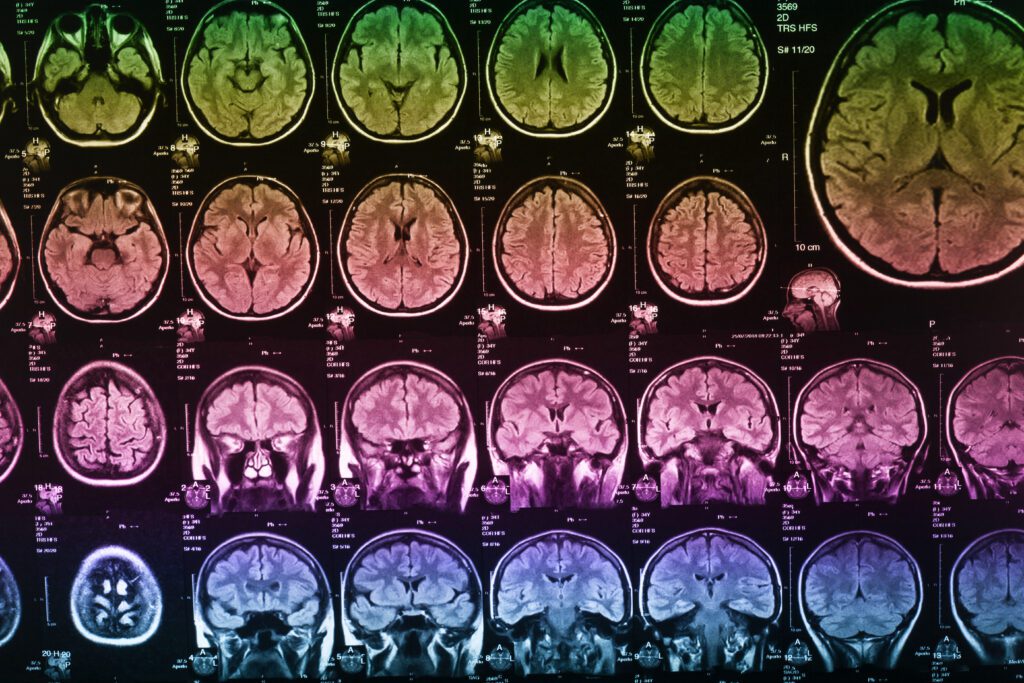
Neuroplasticity and Back Pain: Why Your Nervous System Matters More Than You Think
By Jack Rogers | Chiropractor When people experience back pain, they often assume something in their spine is “out of […]
By Jack Rogers | Chiropractor When people experience back pain, they often assume something in their spine is “out of […]
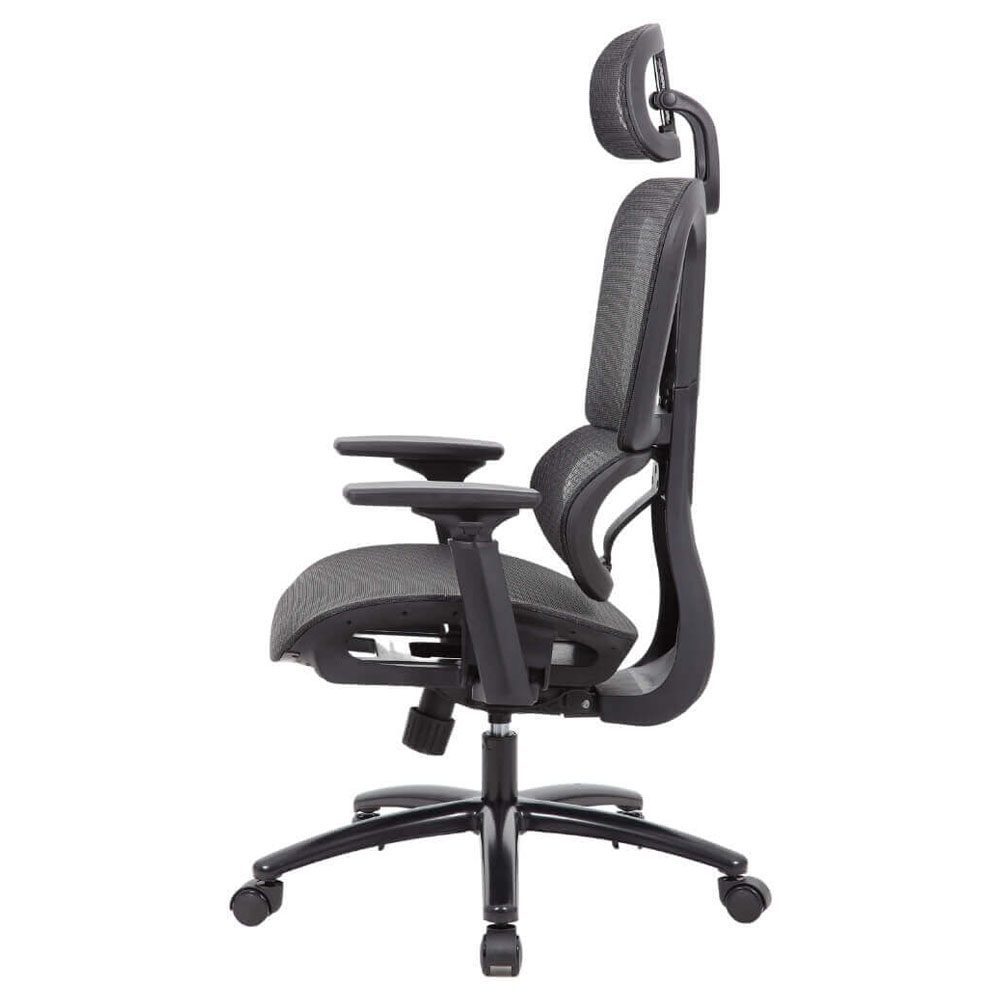
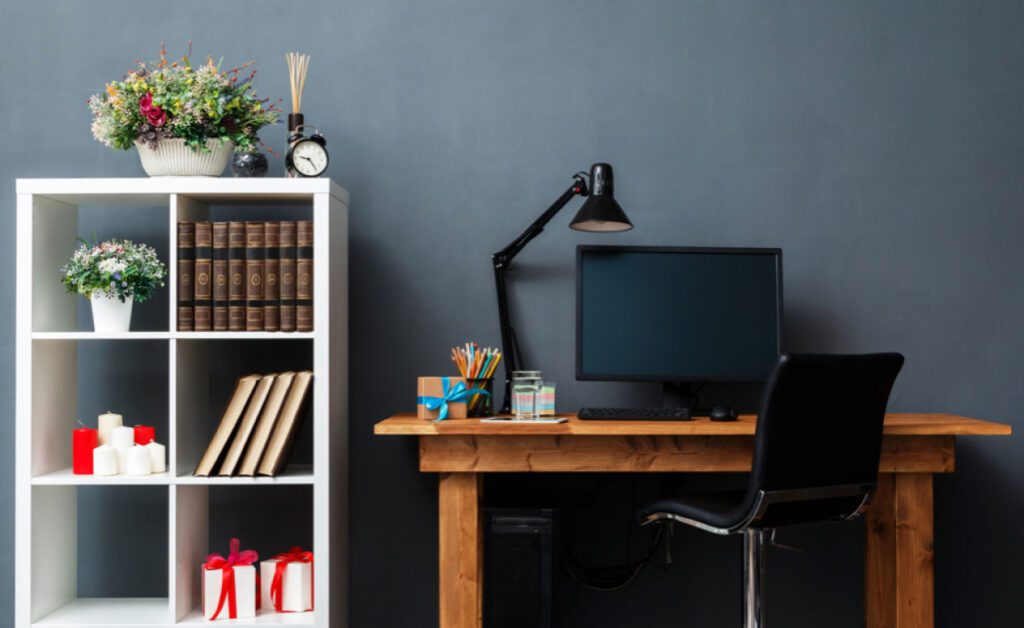
Your workstation should be set up to cause the least amount of stress on your body. Prolonged hours of poor posture or repetitive work habits, often in a stressful environment can result in stiffness and pain. Applying the following points can help to minimise such injuries.
Important points to note:
Sit in front of your workstation such that your monitor is comfortably at eye-level
Ideally, your arms should be at right angles from your shoulders when you type
Your wrists should be in line with your forearms, both horizontally and vertically
Do not sit too close to your monitor – at least an arms length away
Ensure your seat is properly adjusted – hips and knees should be at right angles
If your feet don’t reach the ground, use a foot rest.
Do not reach too far for your keyboard/mouse and support your arm on your desk/chair when using your keyboard and mouse.
Take regular breaks every 30-45 minutes – stretch your legs, change to standing if you have a standing desk, perform simple stretches, go for a water break. Small movement snacks throughout the day accumulate to big benefits.
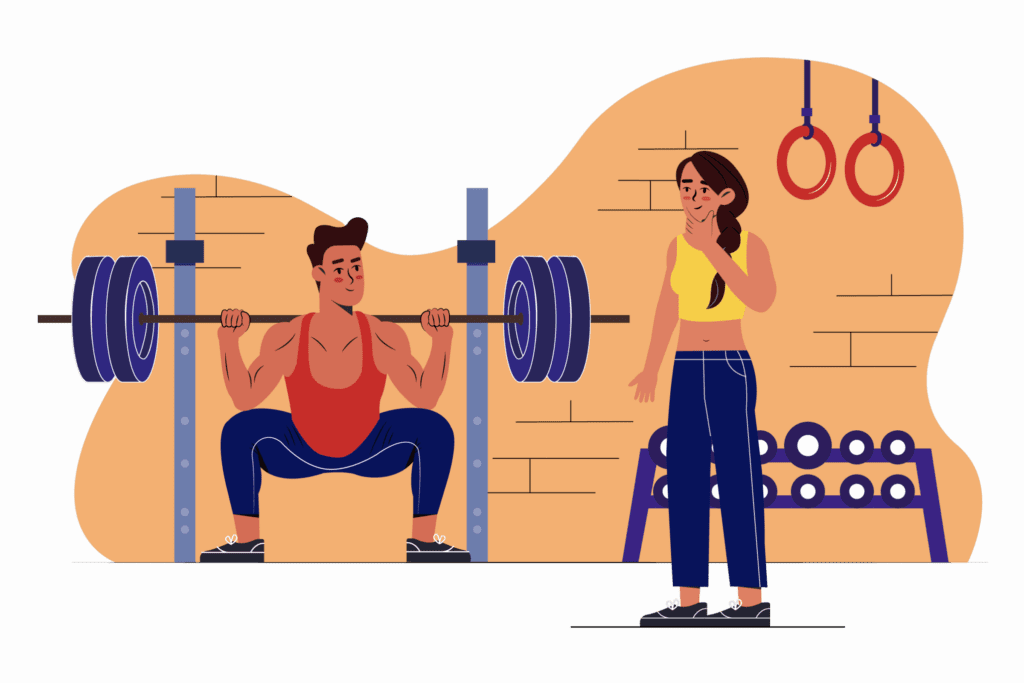
As quality of life improves and life spans increase, people are continuing to be physically active for longer. Middle to older aged people are continuing to exercise and play sports they were involved in when younger and some people are beginning new activities altogether.
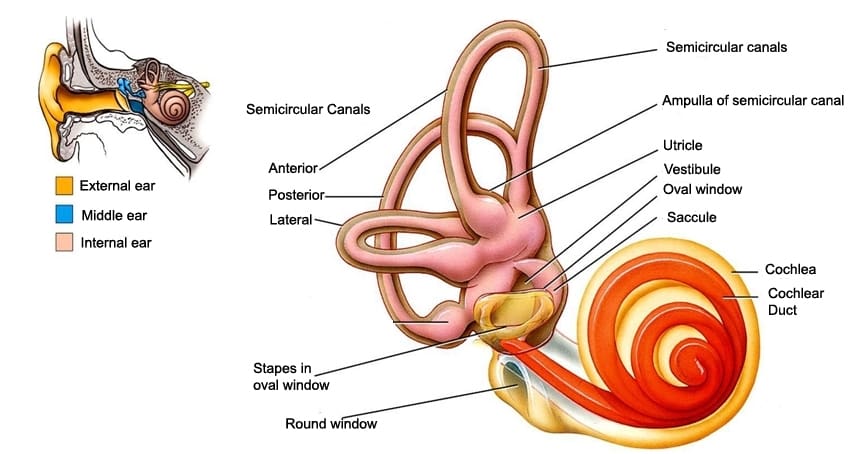
BPPV is a very common cause of vertigo — the distinct sensation that you’re spinning or that the inside of your head is spinning.
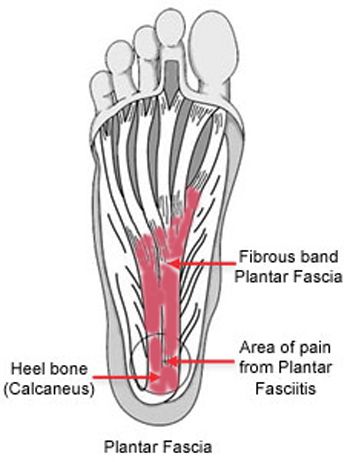
Do you have seemingly unexplained pain or tightness at the bottom of your foot or heel that just doesn’t seem to be getting better? Chances are, you have plantar fasciitis – but what exactly does that mean?
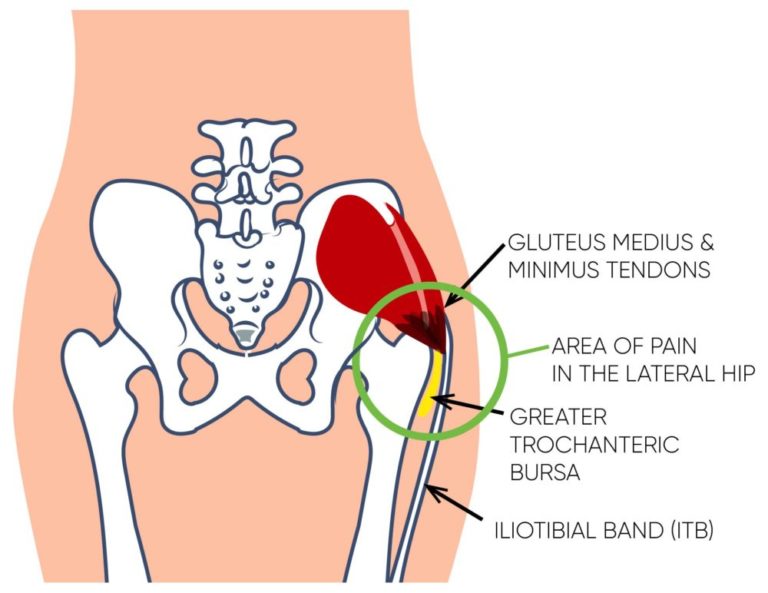
Pain particularly around the side of your hip could be caused by a wide variety of different reasons, however a common finding is tendinopathy of the muscles surrounding the hip and bottom – your gluteal muscles. If you get pain when you sit cross-legged; walk/run/go up and down stairs; notice tenderness when you press into the side of your hip; or have trouble sleeping on your side because of hip pain, you could very well be a candidate for gluteal tendinopathy.

“To ice or to heat, that is the question.”
Although that’s not quite how the quote goes in Hamlet, this age-old question is a common point of contention – and for good reason too!
At some point in your life, you will most likely experience back pain. There are many different causes for back